
One of the main questions we asked ourselves was how and when will things go back to normal? But a big question for those in the design industry is how would the badly hit exhibition sector return after lockdown? Beyond the immediate changes, masks, sanitising, etc, we wondered how exhibition design might change in the long term. The fact is that COVID-19 could kickstart a revolution for digital at exhibition spaces with the rise of virtual reality. There could also be a move to a more curated experience, prompted by how people might feel differently about enclosed spaces. Materials would be another focus. If 2020 has taught us anything it’s that we can’t be wasteful anymore, not only would materials have to be more sustainable, but they’d have to be more adaptable too.
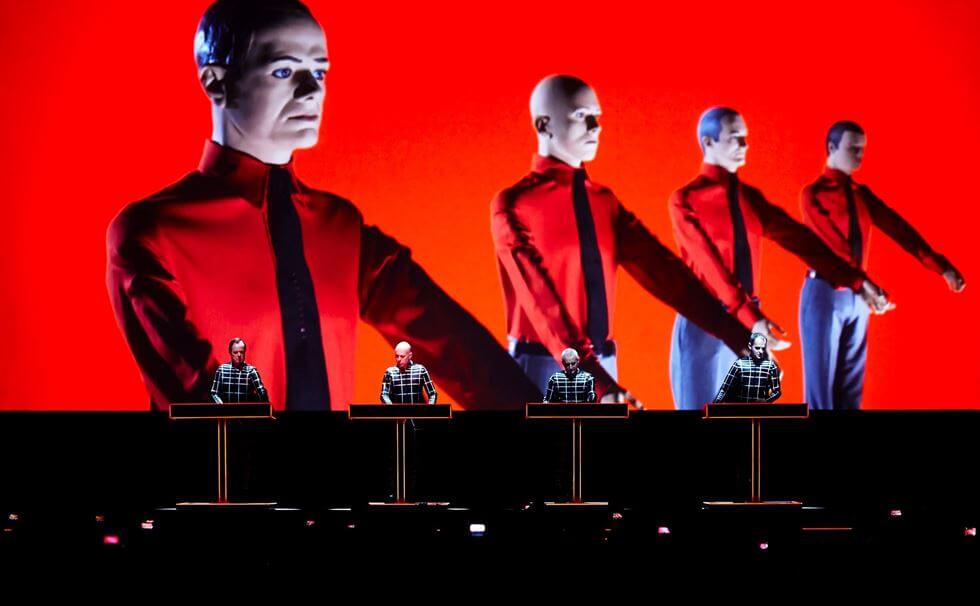
One of the most fascinating exhibitions I found this year had to be ‘Electronic: from Kraftwerk to The Chemical Brother’s’. When this was finally allowed to open, it went down on the history of electronic music. A transfer from Paris, this exhibition took visitors from the start of the 20th century and the mad scientists of sound to Chicago’s house scene. The main draw to this exhibition was the creative use of sound and lighting which would have been an outstanding experience for any visitors lucky enough to attend.
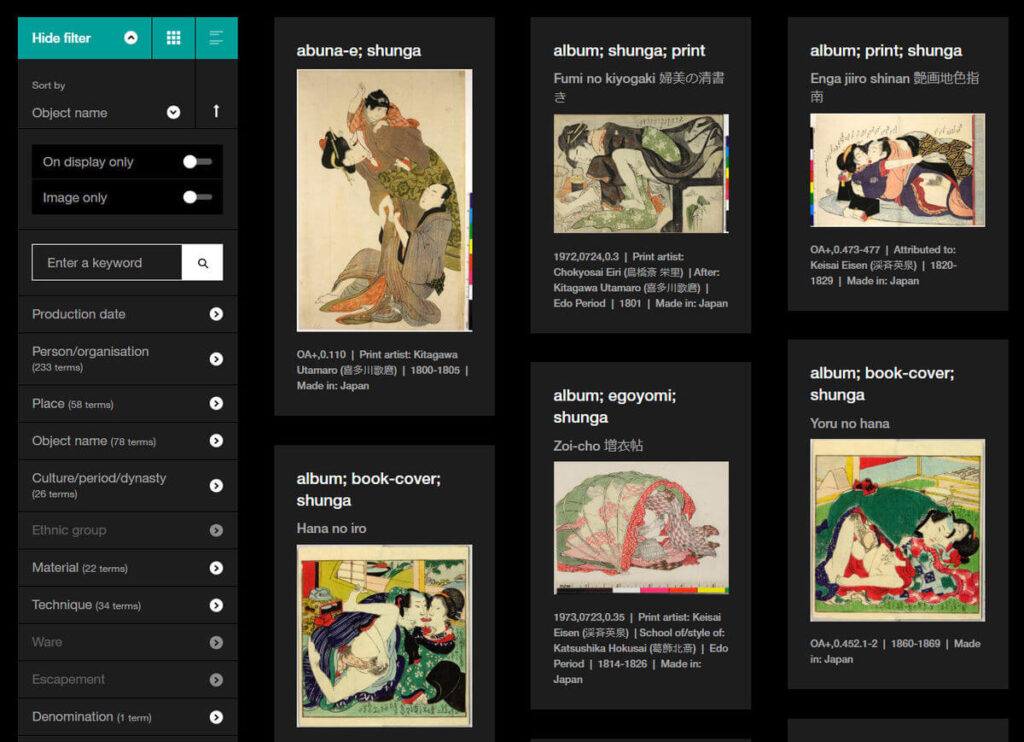
As with many sectors, the focus for museum and galleries this year was digital. When people could not go out, the best way to reach them was at home. In spring, the British museum launched what it called one of the “most expansive online museum collective database” in the world. Around 4 million objects were made available to view online, with a variety of different themes. Throughout the sector, efforts were made to improve online accessibility over lockdown, for example Google has helped institutions like London’s National Gallery and New York’s Metropolitan museum create virtual visits, and who knows this may become the new normal.
The last design story I thought should feature was the V&A’s headline Alice in Wonderland exhibition was supposed to take open its doors this summer. When the exhibition was delayed until next year, the museum turned to London based games studio to create VR set pieces for those eager to visit the fantastical world. The original plan was to have a 4 minute experience at the exhibition itself, this ambition grew during lockdown to an at home VR experience. The studio also developed a set piece for the exhibition preview in October. The experience took people through the creative world of wonderland.
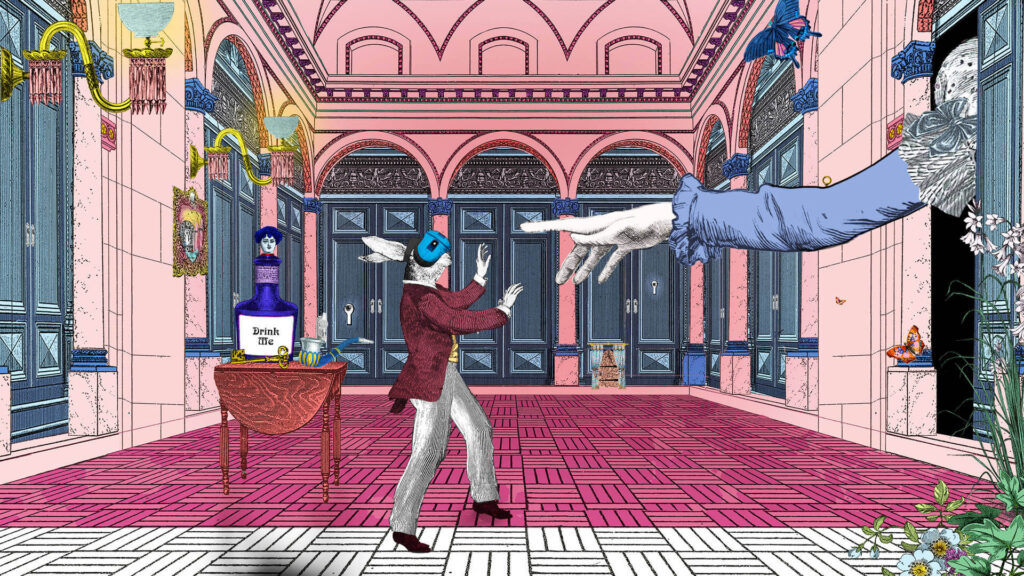
Virtual reality opens up possibilities for the exhibition experience, as we are not being held back by the physical world means you can change the environment completely, in colour and scale. Another advantage of this would be that it could experience from the comfort of people’s bedrooms, and in socially distanced times, this could be a useful path for museums and galleries to explore.
There is no doubt that this year has been challenging, but our ability to overcome these challenges has shown that the design industry will always be able to adapt, but I’m sure we are all hopeful that things will return to some kind of normal in the future so that we can experience these exhibitions as they are meant to be.